
I may earn a commission if you click on links in this post and make a purchase.
There’s something quietly thrilling about stepping outside and recognizing food or medicine growing right at your feet. Foraging — the practice of harvesting wild plants, berries, mushrooms, and more — is one of those skills that connects us to the land and to the way people have lived for most of human history.
But like any skill worth having, it requires a little preparation before you dive in. The good news? The basics aren’t complicated. With some foundational knowledge, a few simple supplies, and a healthy respect for proper identification, you can begin foraging safely and confidently — even close to home.
Here’s what you need to know to get started.
Foraging Is Deeply Seasonal
One of the first things to understand about foraging is that timing matters — and nature has its own rhythm.
In spring and early summer, plants are sending their energy upward. This is the time to harvest leafy greens and flowers, both for eating and for medicine. The leaves are tender, nutritious, and at their most potent during these months.
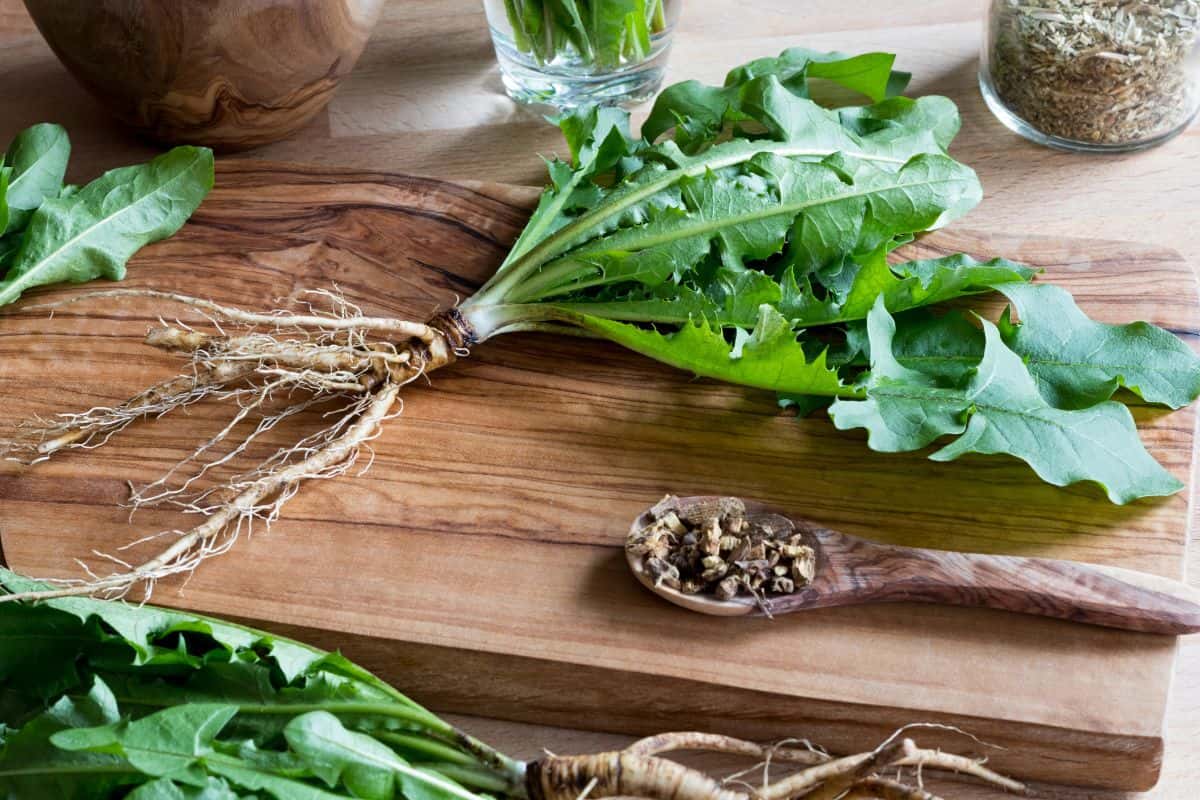
By fall, that energy begins moving back down into the roots. Autumn is the season for root harvests — think burdock, chicory, or dandelion root — when they’re at their most concentrated and beneficial.
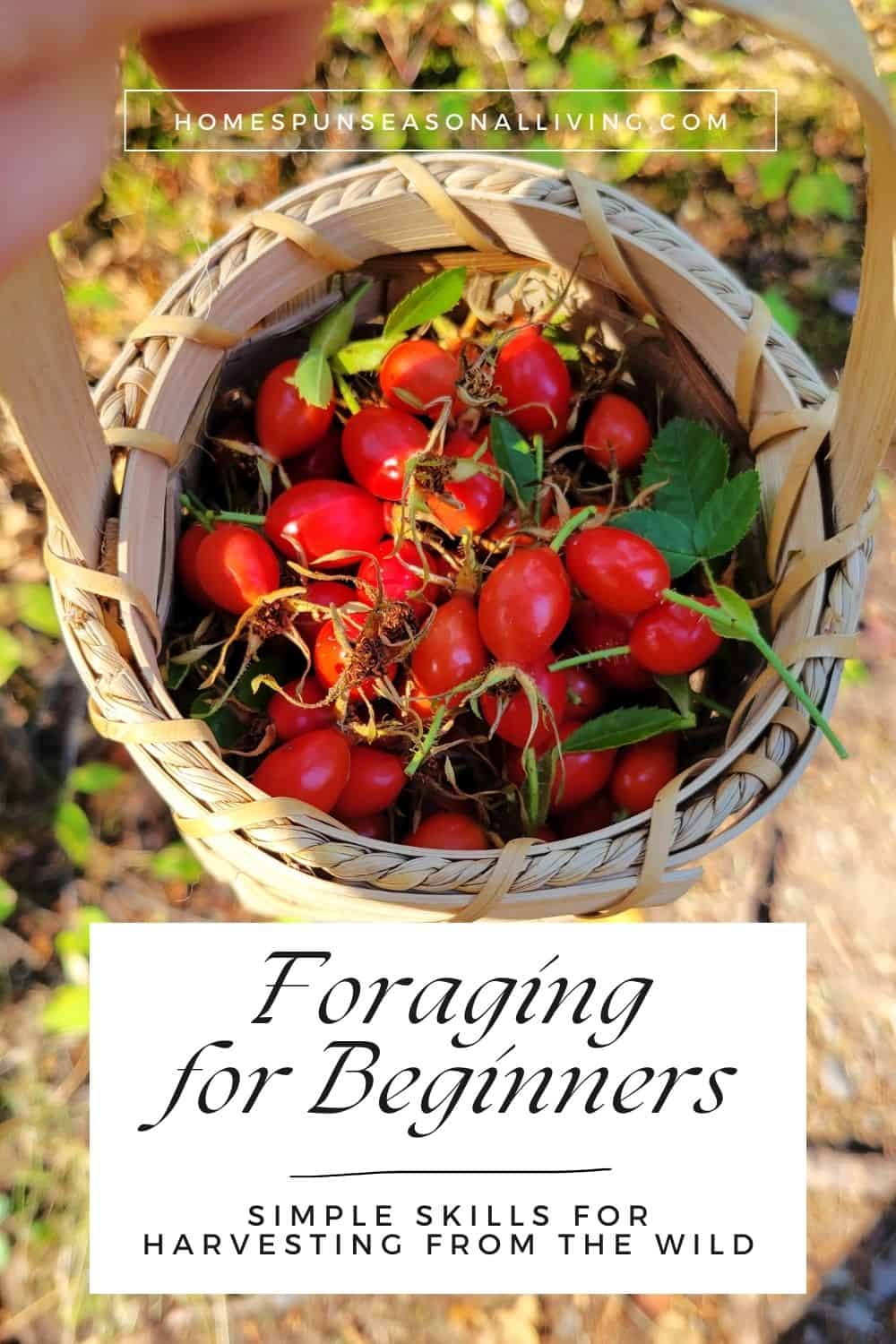
Fruits, berries, and mushrooms follow their own rules entirely. Harvest these when they’re ripe and ready — which will vary depending on where you live and what you’re harvesting. Flowers are best picked when they’re in full bloom, just before they begin to fade.
Learning to read these seasonal cues is part of what makes foraging so satisfying. The more time you spend outside paying attention, the more intuitive it becomes.
Where to Forage
You don’t have to venture deep into the wilderness to find something worth harvesting. In fact, starting close to home is one of the best things a beginning forager can do.
Your own backyard — if it’s unsprayed — is an excellent place to start. So are the edges of fields, parks, and familiar walking paths. You may be surprised how much is growing within a short walk of your front door.
A few things to keep in mind when choosing a foraging location:
Forage where you have permission. On your own land or a friend’s land, you’re good to go. On public lands, know the rules. On private land, always ask first.
Avoid chemically treated areas. This includes lawns or fields that may have been sprayed with herbicides or pesticides. If you don’t know the history of a piece of land, it’s better to err on the side of caution.
Be thoughtful near roadsides. In rural areas with very little traffic, roadsides are generally fine. But near busier roads, runoff and pollution are real concerns. A quiet forest road that sees five cars a day is very different from a highway shoulder — use your judgment.
Forage ethically. Take only what you need, leave plenty behind, and don’t damage the plants or their surroundings. The goal is to work with the land, not deplete it.
Identification Is Non-Negotiable
This is the most important section in this entire post, so please read it carefully.
Proper plant identification is the foundation of safe foraging. There are plants in the wild that look similar to edible ones but are toxic — sometimes dangerously so. Misidentification can cause illness, and in some cases, it can be fatal. This is not meant to frighten you away from foraging, but it is meant to be taken seriously.
The good news is that learning to identify plants is a genuinely enjoyable process — it just takes time and the right resources.
Find a local class or mentor first. This is truly the best way to learn, especially when you’re just starting out. Look for herb walks offered by local herbalists, programs through forest departments or park systems, or classes at community colleges. A knowledgeable local guide can show you exactly what grows in your area and help you recognize the plants in person — something no book or website can fully replicate.
Use books and websites as supplements, not substitutes. There are some wonderful foraging resources available, but rely on photos alone and you’re likely to find plants that look similar but aren’t quite right.
Whenever possible, look for regionally specific guides. Plants vary enormously by growing zone, and a guide written for the Pacific Northwest will serve you far better in Montana than one written for the Southeast.
When in doubt, leave it. Always. If you are not completely certain what something is, do not harvest it. There is no foraging score to keep, no prize for the most adventurous harvest. Leave it, note its location, go home and research, and come back when you’re sure.
A Simple Foraging Kit
Foraging doesn’t require much in the way of gear, but a few basic supplies make the experience more enjoyable and practical.
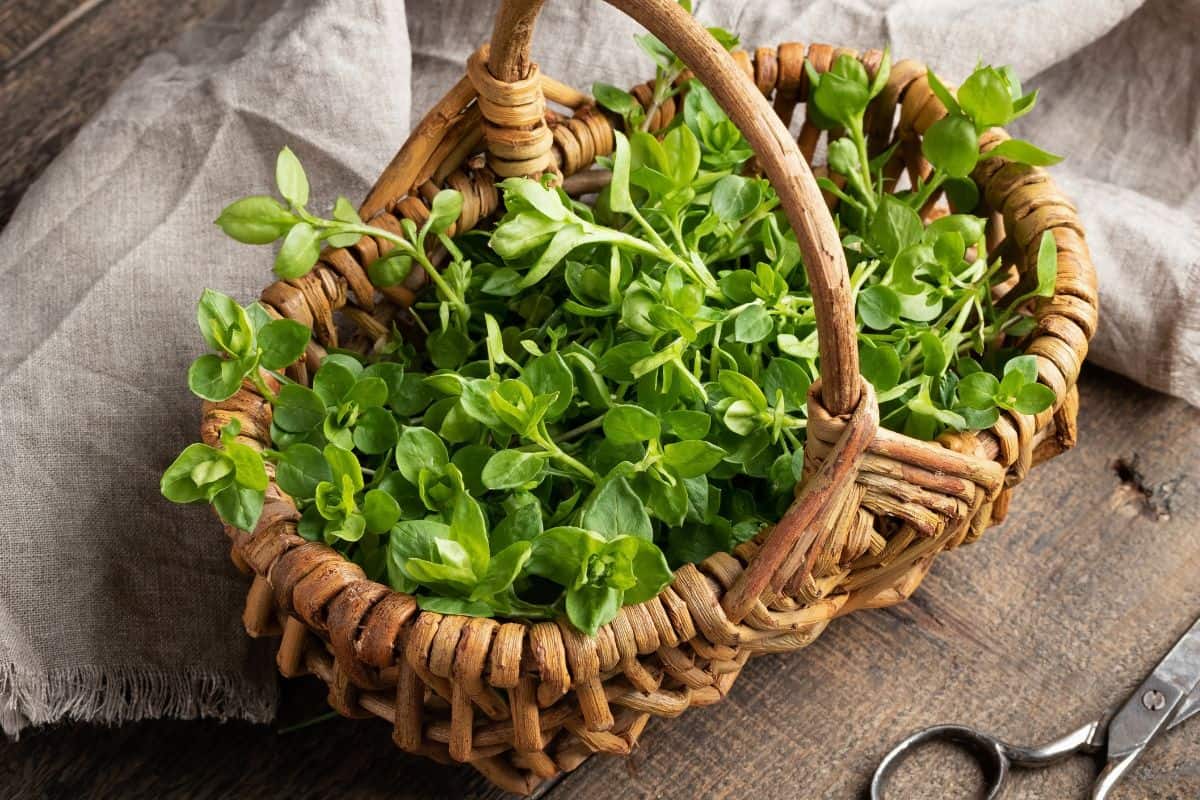
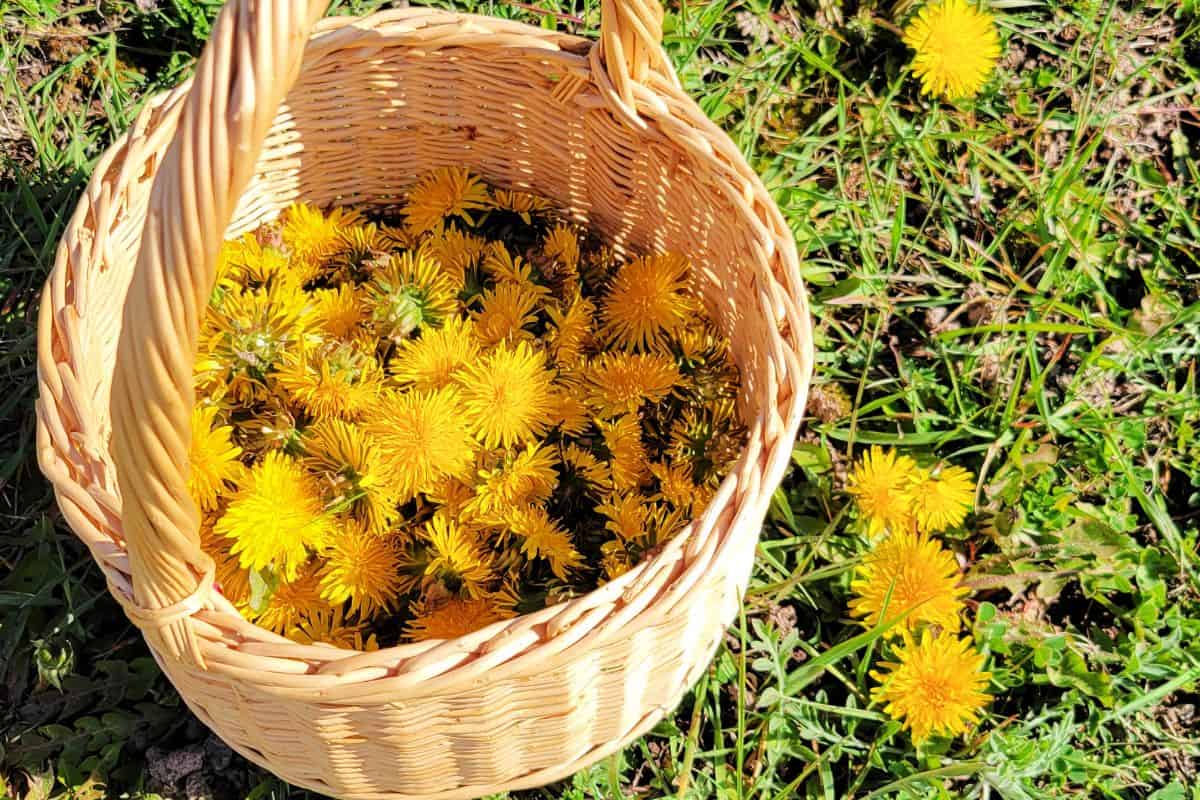
A collection basket or bag. Baskets and buckets work beautifully. A reusable bag works in a pinch. A homemade apron with plenty of pockets, keeps your hands free. You’ll want something with you anytime you head outside once foraging becomes a habit — you’ll start noticing harvestable plants everywhere, including on lunch breaks and road trips.
A small knife. Useful for cutting roots, trimming mushrooms, and harvesting cleanly. It doesn’t have to be fancy — just sharp and functional.
Garden gloves. Worth having for plants with thorns or anything that stings, like nettles.
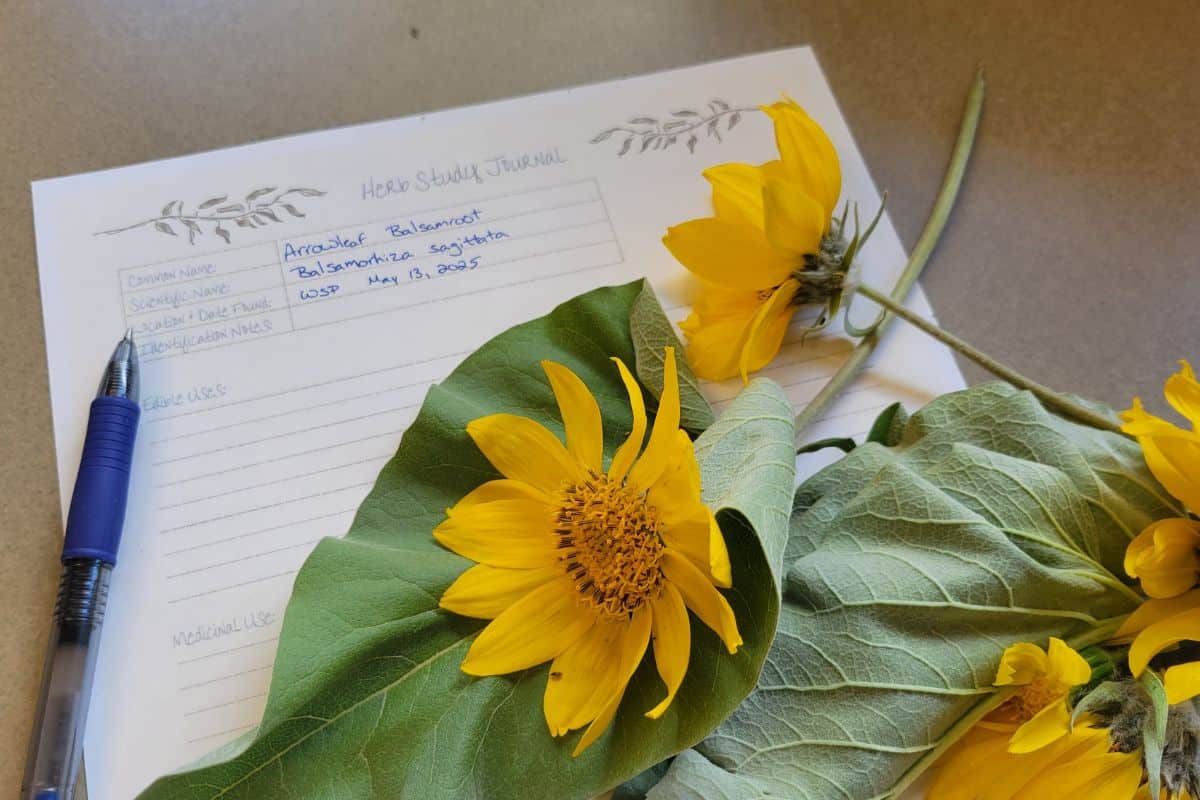
A notebook. This one is underrated. Jot down where you found things, what time of year, what it looked like. Your future self will thank you when you’re trying to remember where that blackberry patch was hiding last July.

Start Simple, Start Local
The best foraging advice for beginners is also the simplest: start with one or two easily identifiable plants in your area, learn them well, and build from there. Don’t try to learn everything at once.
Dandelion is a wonderful first plant for most of North America — it’s recognizable, versatile, edible from root to flower, and nearly impossible to confuse with anything harmful. From there, let your curiosity and your region guide you.
Foraging is a practice that deepens with every season. The more you pay attention to what’s growing around you, the more you’ll see — and the more connected you’ll feel to the land you call home.
Please add to the Safety First something about knowing the insects in your area, what are poisonous, etc. Maybe something on ticks. Also something about snakes. I live in an area that has copperheads and rattlesnakes, I have had a copperhead 10′ from my front door. A friend stopped over one day and saw a herb at the edge of the woods that she wanted, I went in to put jeans on but when I came out she was walking in to get it, lucky it was a cold day and the snakes were moving very slowly, she saw 3. I asked why she didn’t wait for me, her answer was she didn’t think I knew what I was talking about. (She says she’ll never come back to my house)
Love all the info you share, I’ve learn so much from you, Thank you!
Thanks for the all tip, im just starting out.
You are welcome! Thanks so much for stopping by.
If you have an Iphone, another resource, is an app called Plantnet. Learning how to use this app wasn’t straight forward so I’ve written some instructions that will help your readers.
After you have downloaded the app, to use it:
1. Open the app.
2. Click the camera icon at the bottom center of the screen.
3. In the window that opens, select the Camera option.
4. Take a close up photo of a leaf, flower, fruit, or bark.
5. From the window that opens displaying your photo, select Use Photo.
6. From the next window that opens, make a selection that represents what you are trying to find, eg. Leaf, Flower, Bark, Fruit,…
7. Now scroll through the options that are presented and from there you can proceed with more research on the computer, a book, or accept it.