I may earn a commission if you click on links in this post and make a purchase.
Packing homemade lunches isn’t just a smart financial choice, it’s a deeply nourishing one too. In our home, we’ve made it a priority and habit to eat seasonally and cook from scratch, not just for the health benefits but because it connects us to the rhythms of the year.
While we do enjoy the occasional meal out, we’ve found that bringing hot, homemade food on the go, whether to work or on a road trip, keeps us grounded in our values and our budget.
If you’re looking to skip the daily lunch purchase, stay warm through fall and winter, and keep your meals aligned with what’s in season, here are our best tips for packing hot, seasonal lunches with ease.
Why Pack Hot Homemade Lunches?
Eating out regularly adds up quickly – both in dollars and in less-than-ideal ingredients. By preparing lunches at home and bringing them with us, we stay on track with our frugal living goals and can make the most of in-season ingredients. Plus, there’s something deeply comforting about opening up a hot, homemade meal in the middle of a chilly workday.
Choose the Right Thermal Container
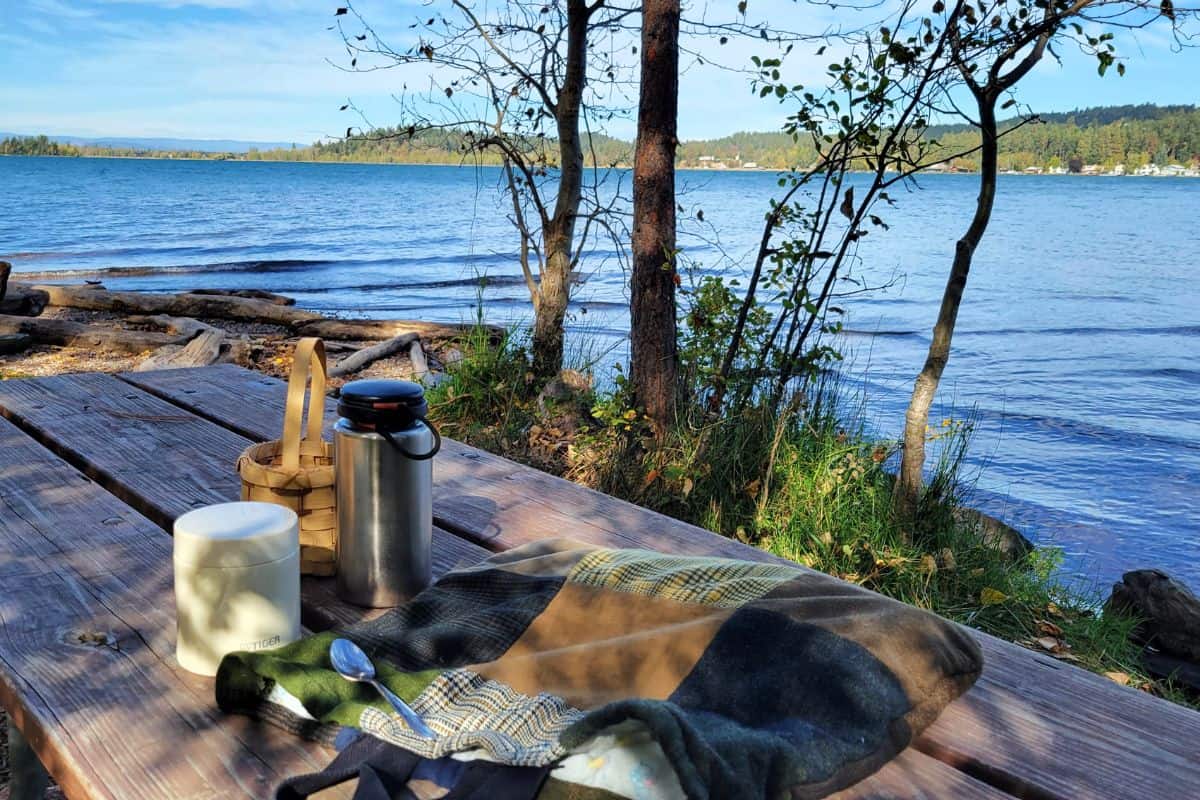
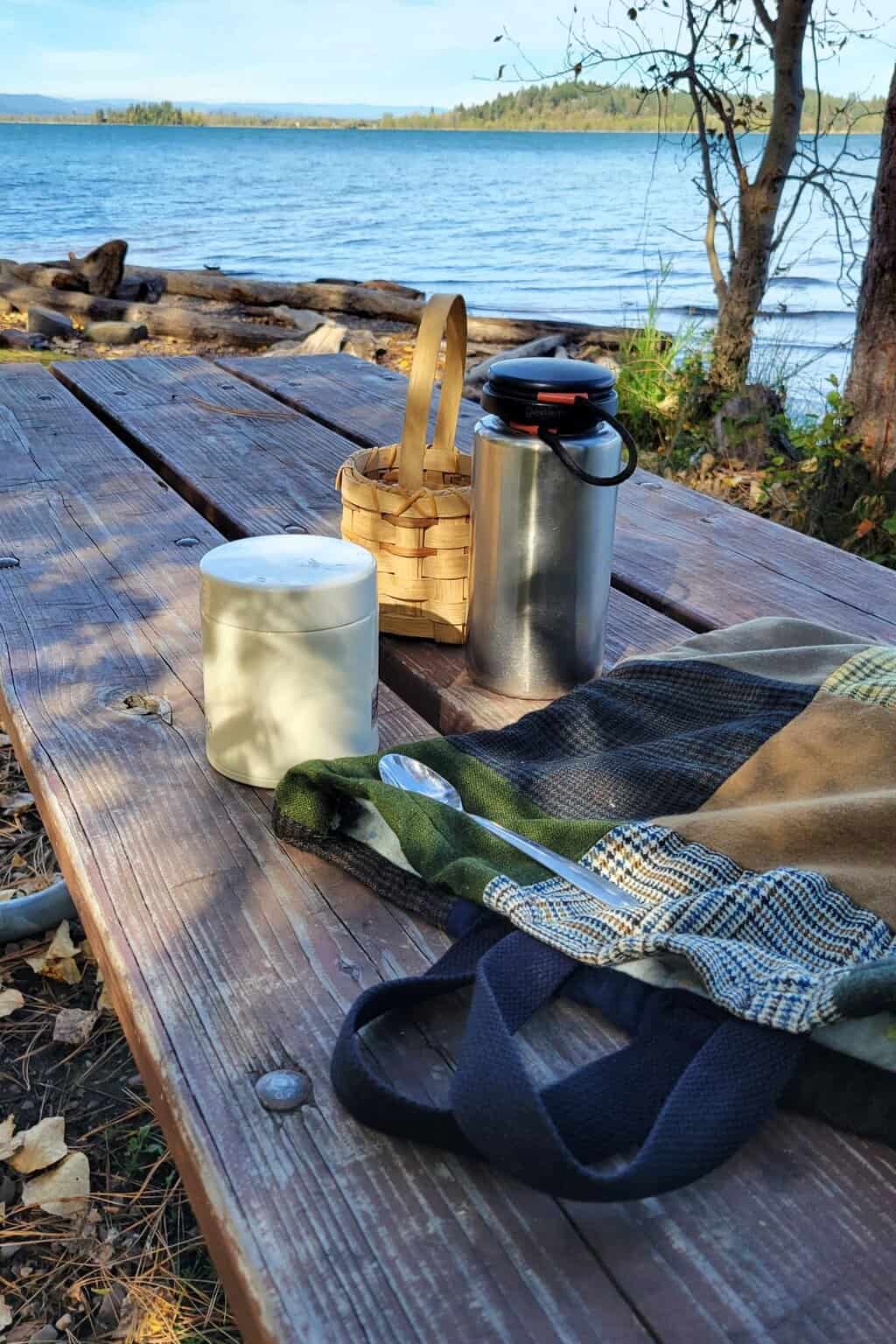
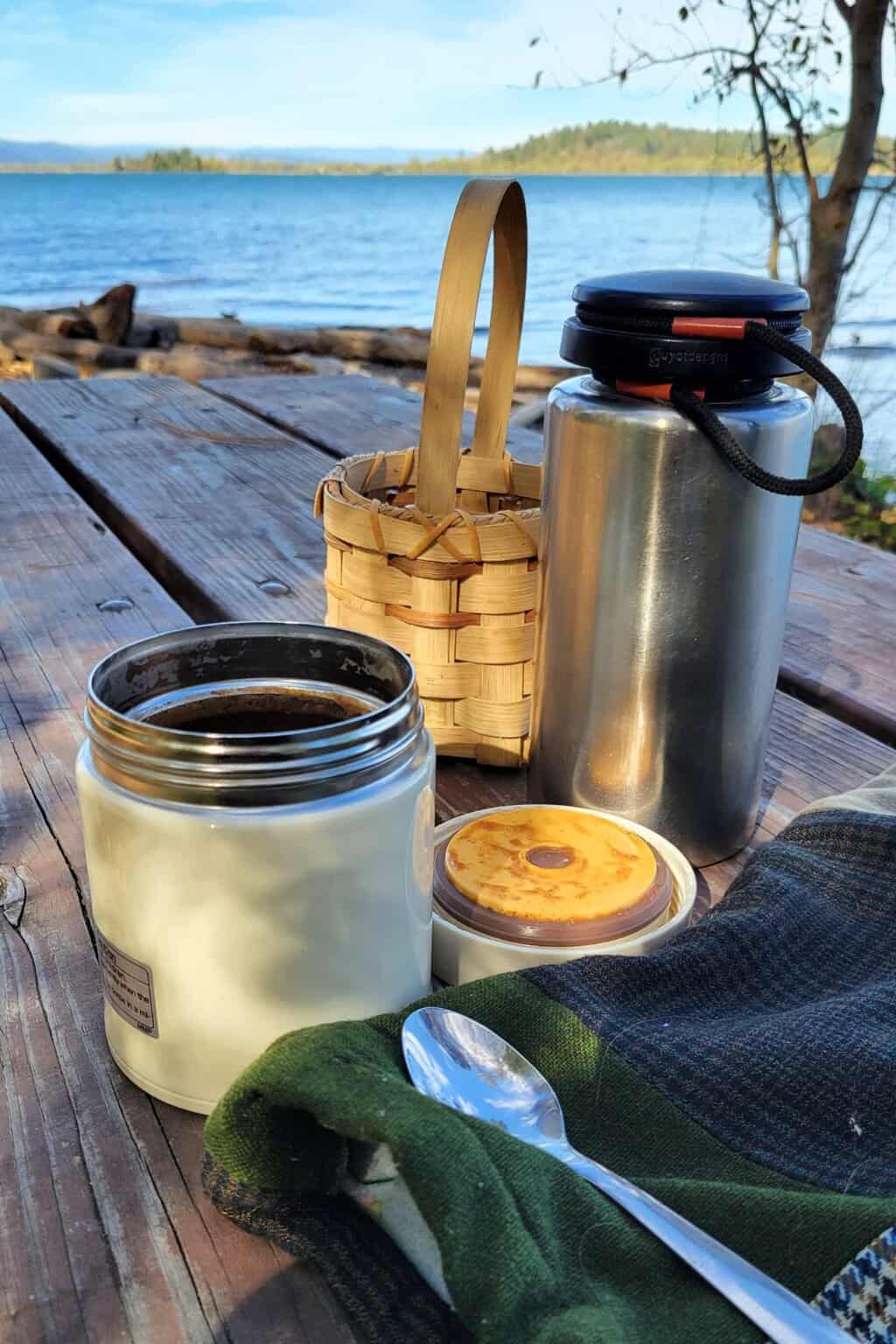
To keep food hot without the need for a microwave or camp stove, invest in a high-quality thermal container. These insulated jars and thermoses retain heat for hours, making them ideal for soups, stews, and casseroles.
Yes, a thermal food jar may be more expensive upfront than reusing a plastic container, but think of it as a long-term investment. With proper care, these containers last for years, and they can save hundreds of dollars over time compared to daily takeout.
Before Buying New, Try Thrift Stores First
If you’re trying to live simply and frugally, thrift stores can be a goldmine. Do check your local secondhand shops for thermal food jars before buying new. You never know what treasure might be waiting on the shelf.
If you find one, test it at home before relying on it. Just fill it with boiling water, seal it, and let it sit for a few hours – about the length of time from morning pack-up to your usual lunch break. When you open it, the water should still be hot or at least very warm. If it’s gone lukewarm or cold, it’s probably not worth keeping. A good thermal container is one that reliably keeps your food hot, not just contained.
A Quick Note on Microwaves
Reheating food in an office microwave isn’t always appealing and when you’re on the road, it might not even be an option. Thermal containers offer a low-tech, reliable solution that keeps your meals hot and ready, no reheating required.
How to Use a Thermal Food Jar Effectively
To get the best heat retention, follow these simple steps:
- Preheat the container: Fill it with boiling water, seal it, and let it sit while you warm your food – at least 5 minutes.
- Heat your food thoroughly: Soups should be brought to a simmer; leftovers should be piping hot before transferring.
- Dump the preheating water: Pour it out (into dirty dishes, a mug for tea, or the compost rinse water), and immediately fill the jar with your hot meal.
- Seal tightly and pack in your lunch bag. Take it from me, not sealing tightly leads to cold food at best or leaks in the bag at worst.
Hot Seasonal Lunch Ideas for Fall and Winter
Fall and winter are perfect seasons for warm, cozy lunches—and seasonal produce really shines this time of year. Soups full of seasonal ingredients are a natural fit, but leftovers and even breakfast foods can work beautifully.
Most of these can be made in big batches and frozen in portions, which makes for quick and easy lunch prep on busy mornings.
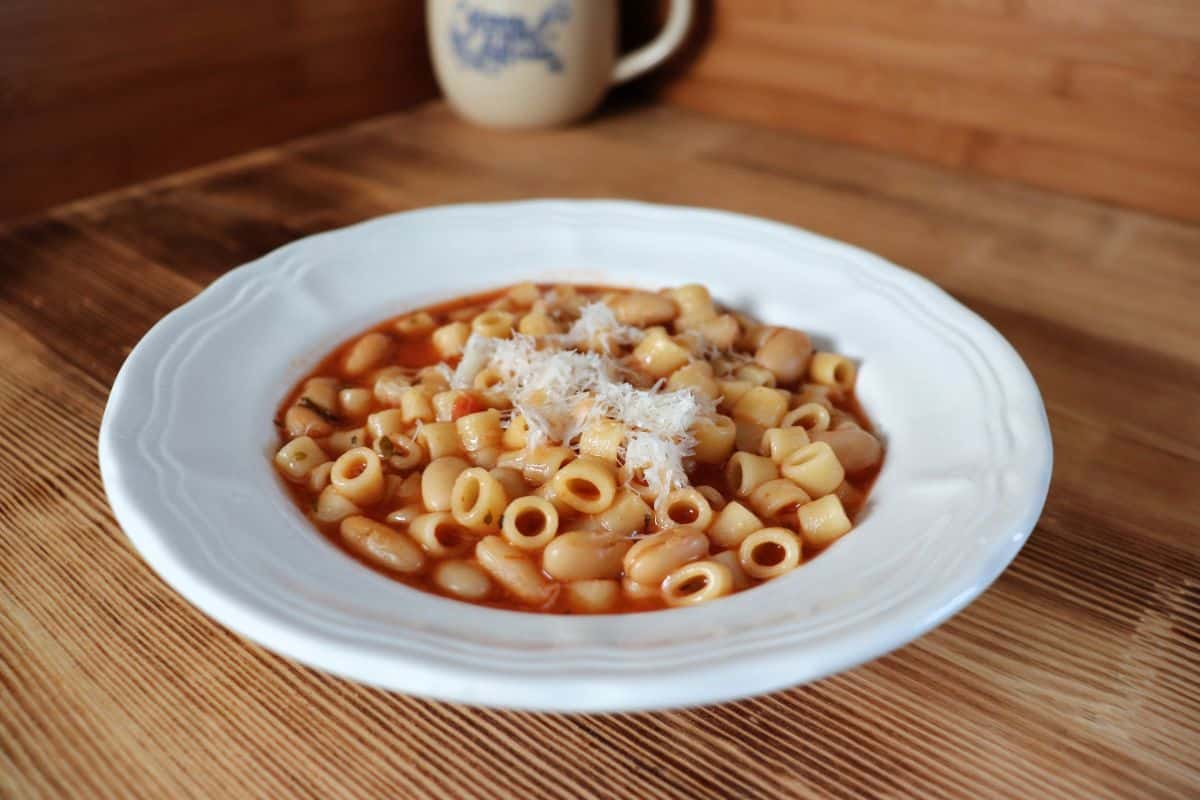
Beyond Soup: More Hot Lunch Options
- Leftover Casseroles or Pasta Dishes: These reheat beautifully and stay hot in thermal jars. Something like pasta e fagioli is amazing.
- Hearty Breakfast for Lunch: Hot oatmeal, scrambled eggs with cheese, or breakfast hash.
- Rice Bowls: Seasonal roasted veggies with rice and a splash of sauce make a satisfying midday meal.
Don’t Forget the Extras
A hot lunch is even better with a few small sides:
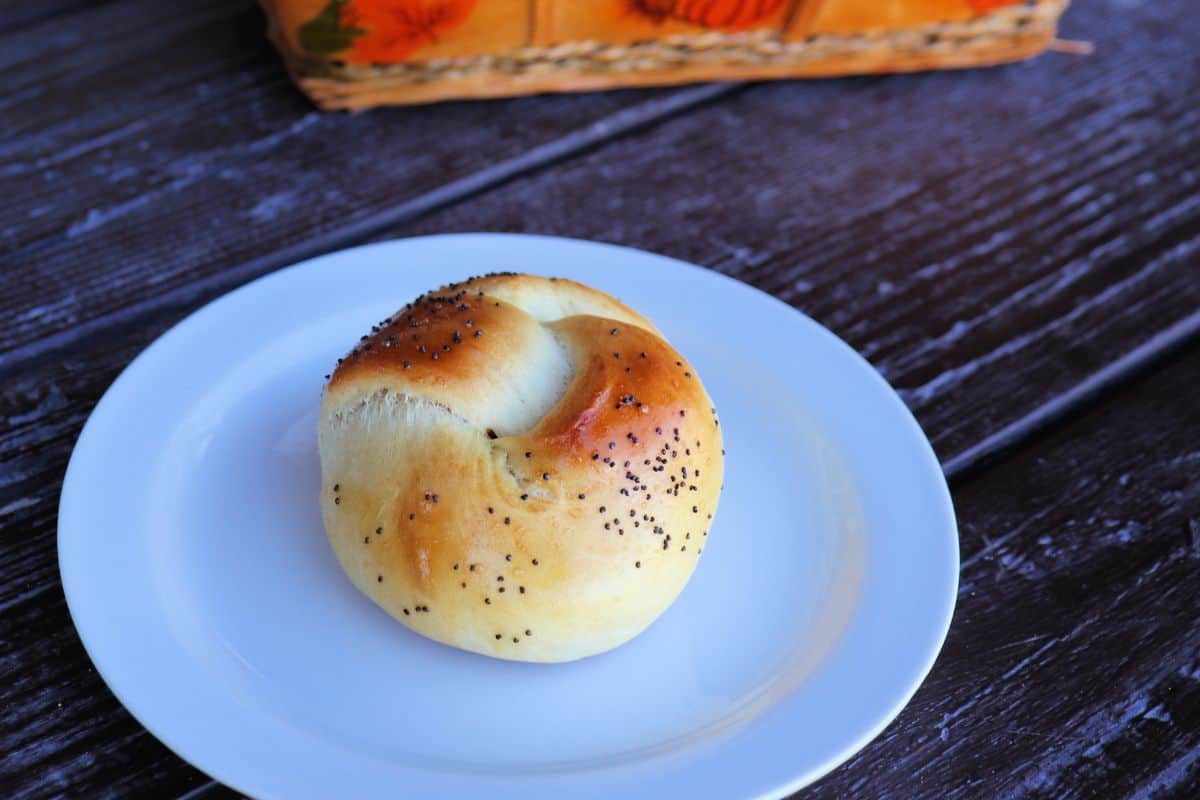
- Bread, rolls, or crackers: Perfect for dunking or pairing with a hearty meal.
- Fruit: Fresh or canned, something sweet rounds out the meal nicely.
- Drinks: Bring a thermos of tea or a reusable water bottle to stay hydrated on the go.
Make Mornings Easier with Prep Ahead Tips
Mornings are often rushed, so a little advance planning can go a long way:
- Make a big pot of soup on the weekend to use for multiple lunches.
- Freeze single servings of homemade meals for quick access.
- Keep a shelf of home-canned soups in the pantry for the fastest option.
- Even just thawing tomorrow’s soup in the fridge today saves time and stress.
Packing hot, seasonal lunches is one small step toward more intentional, seasonal living. It saves money, nourishes the body, and brings a bit of homemade comfort into the middle of even the busiest day. With the right container and a bit of planning, it’s a doable and deeply satisfying practice.
What’s your favorite hot lunch to pack in the cooler months? I’d love to hear how you make warm, seasonal meals work on the go.
That’s good to know that if you preheat your container before you put the food in it will stay warm longer. That makes sense since the heat from the food wouldn’t be needed to warm up the container. I’ll have to think about getting a heating sleeve or something for if I want to eat something warm at work that isn’t soup.