
I may earn a commission if you click on links in this post and make a purchase.
As the late-summer sun ripens tomatoes faster than we can eat them and the zucchini seem to double in size overnight, gardeners everywhere are asking the same question: What am I going to do with all this food?
It’s a wonderful problem to have afterall – a prodcutive garden is a very good thing. But if we’re not careful, those beautiful cucumbers or bunches of kale can go from garden glory to compost bin far too quickly.
Thankfully, there are plenty of simple, heartfelt ways to make sure nothing goes to waste. Whether you’re looking to trade for something new, give to those in need, or stockpile for winter gift-giving, these ideas will help you share the abundance while deepening community connections.
1. Start with Friends
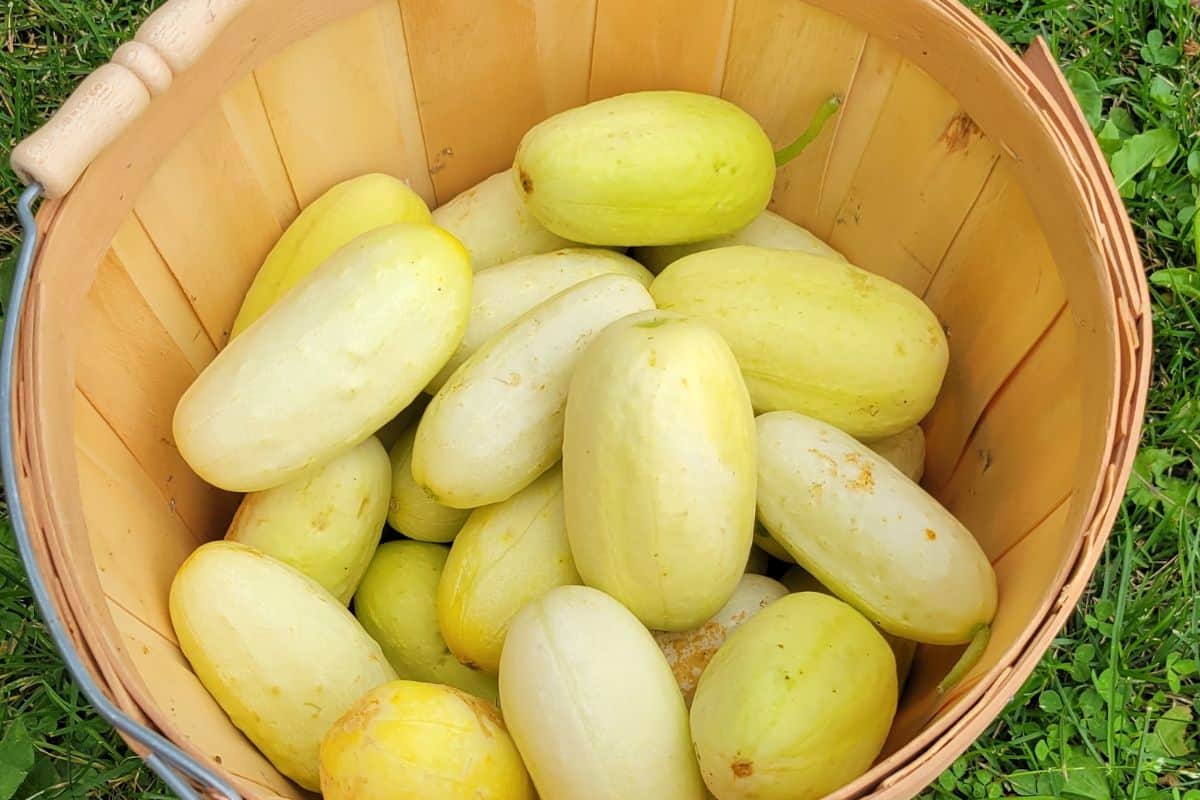
Send a quick text or email to local friends and neighbors. Let them know what you have and ask if they’d like to swap. You might trade cucumbers for homemade bread, tomatoes for goat cheese, or zucchini for fresh eggs. Ask your friends to share the offer with their own circles – you never know what treasures might come your way.
2. Barter in Local Facebook Groups
Search for “buy/sell/trade” or “local barter” groups in your area. Post what you have, what you’re looking for, and keep an open mind, be willing to see what folks offer.
3. Try Craigslist
It might feel old-school, but Craigslist is still active in many places. Just be clear about what you have and what you’d like in return, but stay open to surprises. Sometimes the best trades are the ones you didn’t even think to ask for.
Remember to keep it safe with both Facebook & Craigslist – meet strangers in public parking lots if it just doen’t feel good to invite folks to your actual home.
4. Connect with Local Groups & Clubs
Garden clubs, beekeeping groups, homeschooling circles, and even workplace bulletin boards can be great places to find people willing to trade or take extra produce. Even the most unlikely groups can surprise you with interest.
5. Swap with Other Gardeners
If your kale thrived but your cucumbers failed, a trade can fill in the gaps. This works beautifully within community gardens, neighborhood swap tables, or even informal porch drop-offs among friends.

6. Donate to a Food Bank, Community Refrigerator, or Soup Kitchen
Fresh produce is always in demand. Many food banks will gladly accept homegrown fruits and vegetables, and some areas have gleaning organizations that will come to your garden or orchard to harvest the extras for you. Search “where to donate garden produce near me” to find local options.
My local community has a community refrigerator where you can drop off and pick up any time.
7. Preserve for Future Gifts
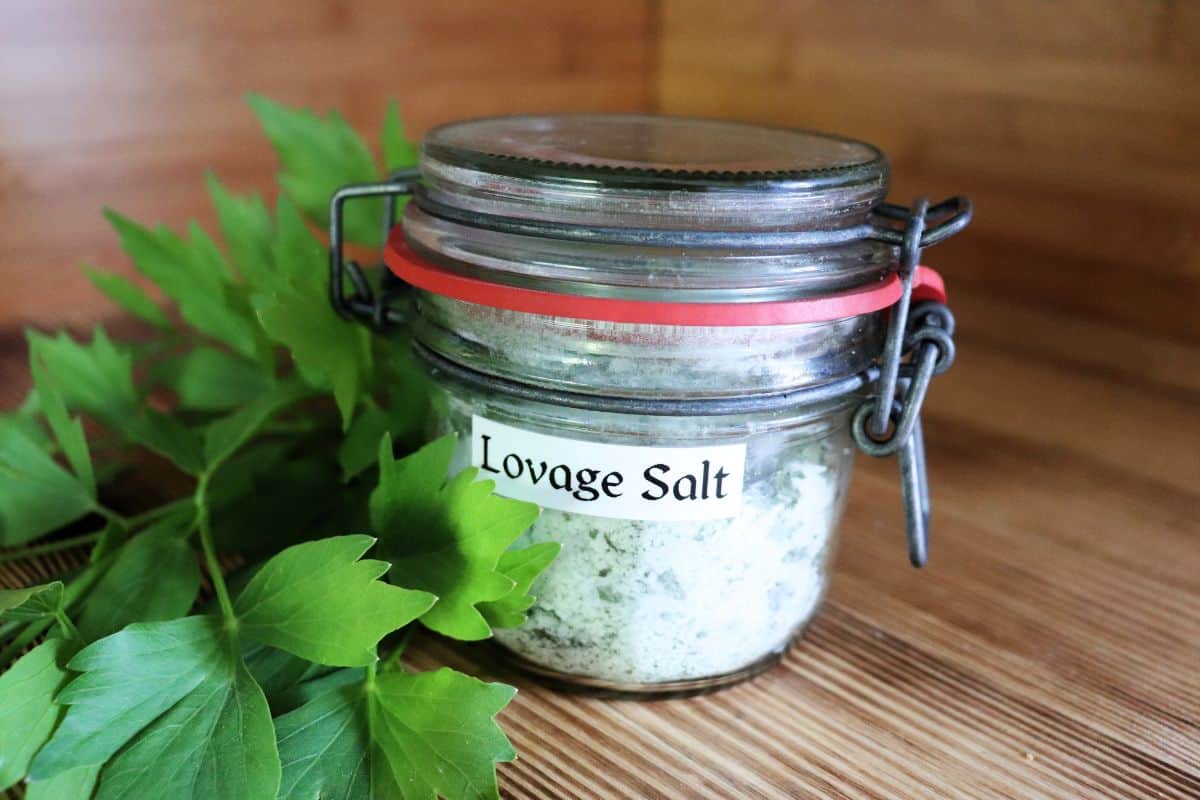
Think beyond your pantry shelves and toward your holiday list. Pickled beets, jam, herbal tea blends, and dried fruits make thoughtful, low-cost gifts. I keep a special “gift pantry” full of homegrown gifts for extras so I can pull together a basket at a moment’s notice.
8. Sell from Home
A simple sign at the end of the driveway or a basket of vegetables on an honor-system table can move a surprising amount of produce. If you want more foot traffic, try your local farmers’ market or community events.
9. Share with Neighbors Who Don’t Garden
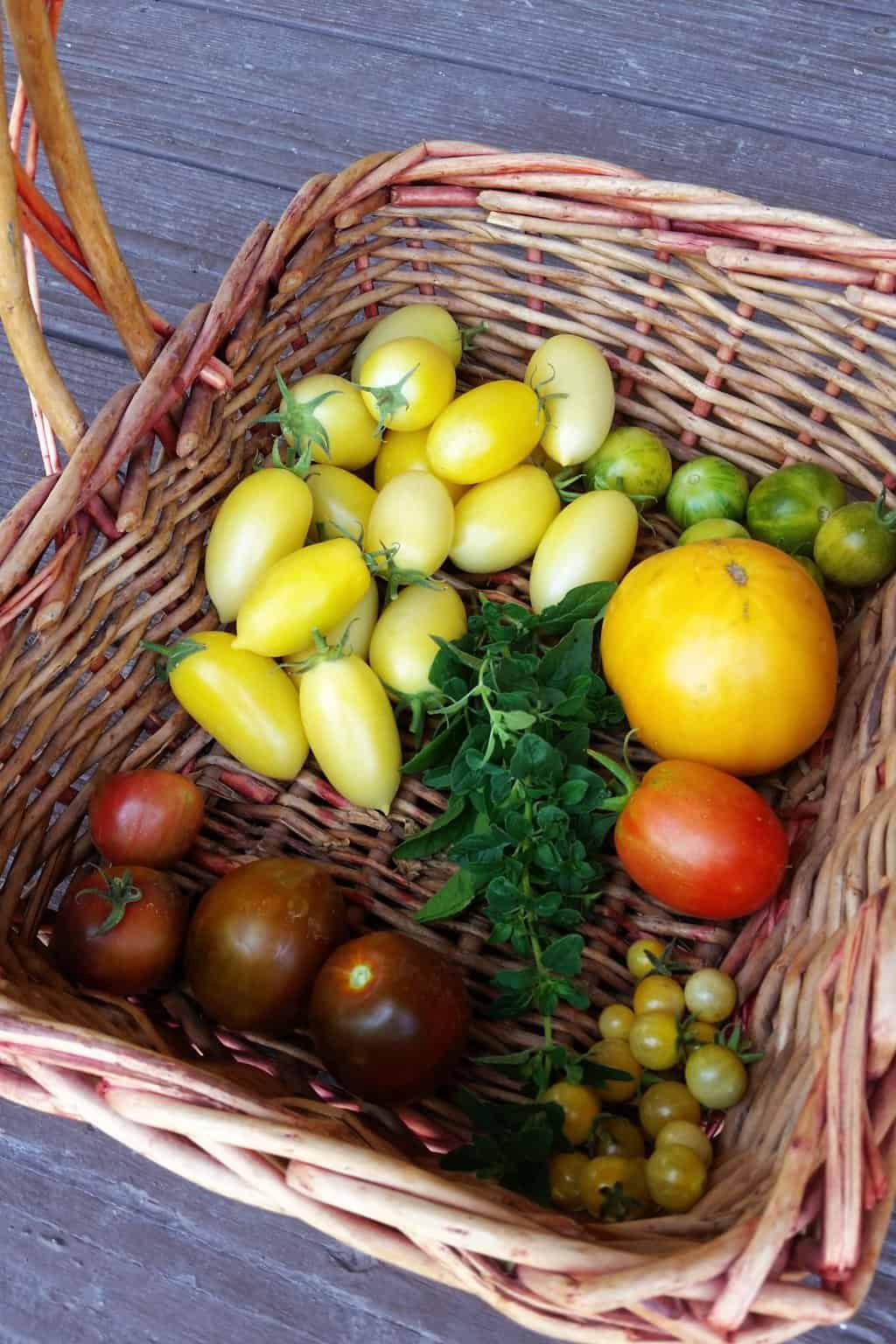
That elderly neighbor, the busy single parent down the street, or even the newcomer who just moved in—these are all perfect recipients for a surprise bag of fresh vegetables. It’s a small act that can make a big difference.
10. Host a Produce Swap Party
Invite friends over for iced tea and snacks, and have everyone bring something from their garden to exchange. You’ll leave with variety and great memories.
11. Share at Work or Community Spaces
Leave a basket in the staff kitchen, at your place of worship, or even at the library with a “Please Take Me” sign. You’ll be amazed how quickly it disappears.
12. Bless a Stranger
Leave a bag of produce on a park bench with a note saying “Free garden veggies—enjoy!” or drop it off anonymously at someone’s door. Sometimes the best kind of sharing is the kind with no strings attached.
The Joy of Sharing the Harvest
Whether you barter for something new, donate to a cause, or simply hand a bag of tomatoes to a neighbor, sharing your harvest is about more than avoiding waste. It’s about connection. In my own experience, these simple exchanges have led to lasting friendships, delicious surprises, and a deeper sense of community.
So next time you’re staring at an overflowing basket of zucchini, see it as an invitation—to share, to connect, and to spread the goodness of your garden far beyond your own kitchen.