
I may earn a commission if you click on links in this post and make a purchase.
Seasonal meal planning isn’t complicated. It comes down to three things: what’s growing right now, what the family actually likes to eat, and what’s already in the pantry. Start there, and the rest tends to sort itself out.
This isn’t a system with rules to memorize. It’s closer to a habit, one that gets easier the longer you pay attention to what’s actually in season around you.
What’s In Season, By Season
A quick preview of what each season brings:
Spring brings the first tender greens after a long winter, dandelion and chickweed from the yard alongside garden radishes, rhubarb, and peas. Meals lighten up here, more salads and quick sautés than slow-cooked dinners.
Summer is the season of abundance arriving all at once, tomatoes, zucchini, beans, peppers, and corn coming in faster than anyone can keep up. This is when meals get simplest, since the produce barely needs help.
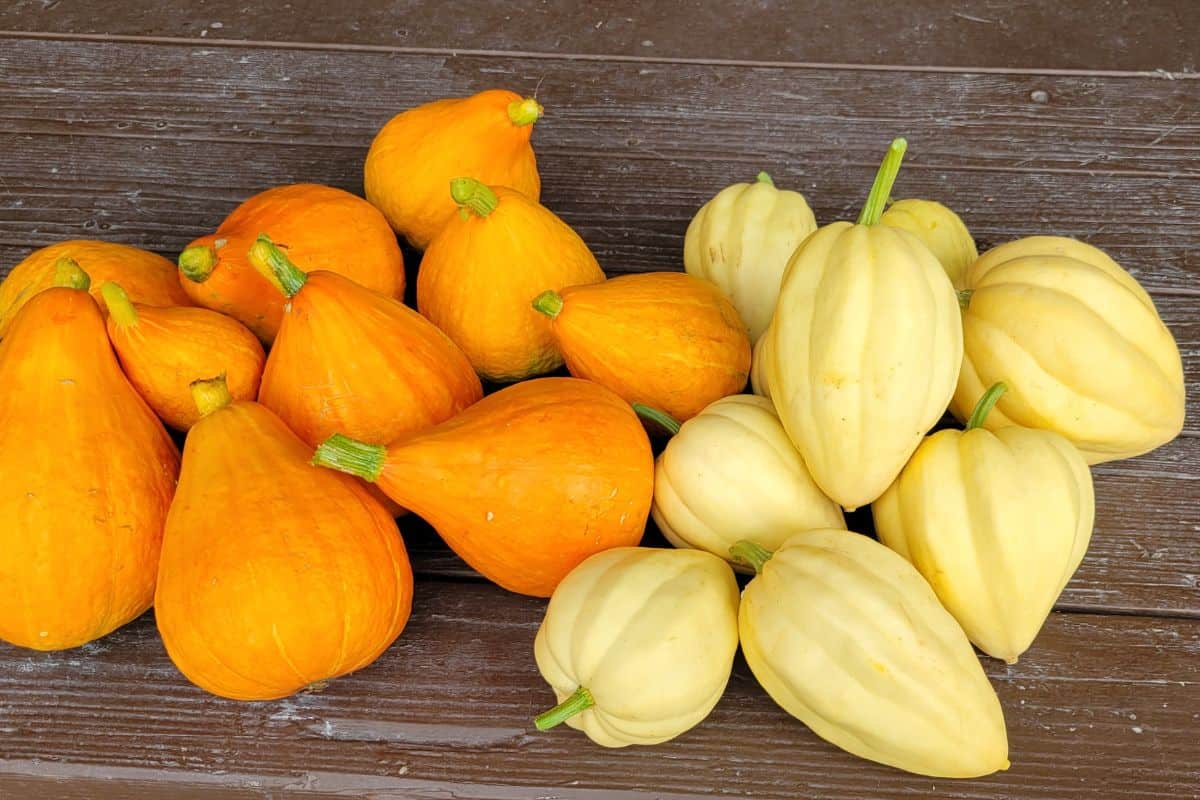
Fall turns towards heartier vegetables and fruits like winter squash, apples, and the last beets and rutabagas after the first frost. The kitchen shifts back to the stove, soups and stews replacing the grill.
Winter is the season for using up what was preserved all year, the pantry, the freezer, the root cellar. Meals get heartier here, built around stored vegetables, dried herbs, and whatever preserves are left.
The fastest way to know what’s actually in season near you, beyond any list, is the farmer’s market. Ask the growers what’s ripe that week. If they’re growing it, or it can be foraged nearby, it’s in season.
Building the Week’s Plan
Once the seasonal picture is clear, the actual planning is simple. Sit down with a piece of paper, or the back of an old receipt, and rough out a week’s worth of meals.
Start with what’s in season and what’s in the pantry. Look at what the garden, the CSA box, or the farmer’s market actually has right now, and let that drive the plan rather than a recipe found online. There’s no point planning a meal built around brussels sprouts if no one in the house will eat them.
Aim to get the season’s main ingredients into at least a few meals a week, not every meal, just often enough to make use of them while they last. Leave room for one new recipe to keep things interesting, and don’t be afraid to repeat a meal that works.
Use the Pantry
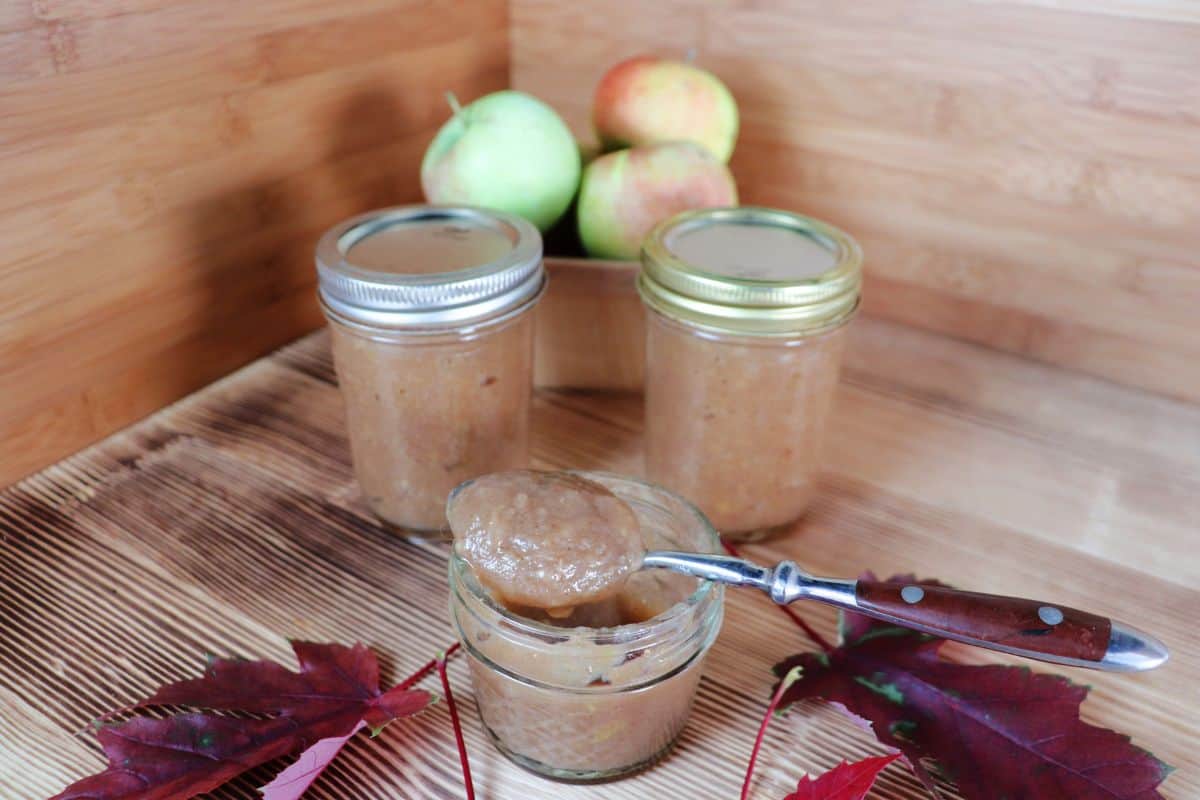
The pantry is just as much a part of seasonal eating as fresh produce is. Whether it’s full of home preserves or store-bought staples, use it to stretch a season further, pizza sauce put up in summer making a winter dinner, or dried herbs from spring flavoring a fall soup.
Grains, pasta, and rice fill in the gaps and make quick meals possible without much thought.
Keep It Simple
Seasonal meal planning doesn’t need to be complicated, no matter what the glossy magazines or endless Pinterest boards suggest. A pan-fried pork chop, a side of whatever vegetable is in season, and a bit of fresh fruit for dessert is a complete, good meal.
Save the more involved cooking for the days that allow for it. Lean on the slow cooker, sheet pan meals, and big pots of soup on the busier days, and make enough for leftovers while the stove is already on.
Find Inspiration Without the Overwhelm
Pinterest and recipe sites are useful, but hours of scrolling isn’t the goal. Collect recipes as they come up naturally, and keep them organized by season so they’re easy to find again later. A few well-used cookbooks, especially older ones, often hold up better than anything found online.
Keep a few seasonal habits in place too, pizza night with whatever’s in season on top, soup on the slower days, a simple salad for lunch. New recipes are for variety, not for replacing what already works.
A Note on Repetition
Seasonal eating means leaning on the same few ingredients for a short stretch of time, and that’s not a flaw, it’s the point. A short window of all-zucchini-everything in midsummer is part of what makes the next zucchini season feel worth waiting for.
A quick way to use up a glut without too much repetition: a smoothie one morning, a salad another day, fried as a side dish, baked into something for breakfast, and a zucchini lasagna for dinner toward the end of the week, mixing it through the day so it never feels like the only thing on the plate.
If you’d like a little company while you build that kind of attention into your own kitchen rhythm, the Letter Circle sends one private letter and one small mailing each month, the same quiet encouragement toward noticing what’s actually in season, just delivered to your door.
Because of food allergies, we spend a lot of money on food. This is the path we need to be on. Thank you
These are all very doable, great ideas! I like the order to it all. Now, come over and help me do it. Ha, ha.
Thank you so much for these ideas – super helpful!
Zucchini is very easy to dry, also. I fill several Mason jars with it every year and add it to soups, meatloaf, muffins, (almost) whenever I use fresh zucchini. Sometimes it’s best to rehydrate it before adding to recipes!
I have been wanting to pull together a family cookbook the last few years. After reading your article, I think I’ll arrange it as a seasonal cookbook. I’d like to encourage my kids & grandkids to see the value of it. Plus, I’ve realized how little real home cooking my extended family does. One cousin actually asked me for my recipe on cooking down a ham!
I love your web site. Thanks for the inspiration!
Oh how wonderful! Thank you.