
I may earn a commission if you click on links in this post and make a purchase.
Summer means everything arriving at once. Tomatoes ripening by the basketful, zucchini multiplying overnight, beans and peppers and cucumbers all coming in faster than anyone can keep up with, whether that’s from a backyard garden, a CSA box, or a Saturday trip to the farmer’s market. This is the season of real abundance, and the only real trick to summer eating is keeping meals simple enough to actually enjoy it instead of feeling buried by it.
Location, Location, Location
What’s local and in season in Florida isn’t the same as Montana in June, or any other month for that matter. Unless a guide is written specifically for your area, expect this list to shift earlier or later depending on where you live.
The farmer’s market is the surest way to know what’s actually ready near you. Ask the growers what’s ripe that week, and let that answer guide the kitchen more than any list ever could.
Each season still has plenty of overlap from region to region. The following is generally available in summer, just earlier in the south and later in the north. And remember, just because the grocery store carries something year round doesn’t mean it’s in season. It’s in season somewhere, but that somewhere may be a truck ride away. Seek local first.
Summer Vegetables
Summer is the best season for finding incredible fresh seasonal vegetables in most cases. There tends to be quite a variety from which we can be quite creative in our kitchen.
Tomatoes: This is the quintessential summer food, plain and simple. Homegrown or local beats anything shipped in from somewhere else in winter, every time. Toss cherry tomatoes whole into salads, slice the beefsteak types thick for sandwiches, or cook down a big batch into sauce while they’re at their peak.
Green Beans: Fresh beans have a snap and tenderness that canned or frozen never quite replicates. Look for the colors too, green, yellow, purple, and try them steamed, in stir-fries, or simply sautéed with a little garlic.
Summer Squash: Zucchini gets most of the attention, but yellow squash, pattypan, and eggplant all belong here too, along with whatever local varieties show up at the market. Most can be used interchangeably with zucchini in a recipe, so don’t be afraid to swap.
Corn: Local, heirloom sweet corn is worth seeking out over the standard grocery store ears. Boiled, grilled, or cut straight off the cob into a salad, this is one of the foods that genuinely earns its summer reputation.
Peppers: Beyond the familiar green bell, there’s a whole range of hot and sweet types in different colors and heat levels worth trying. They’re also far more affordable in summer than shipped in from somewhere warm during winter. Eat them raw, grilled, or stuffed.
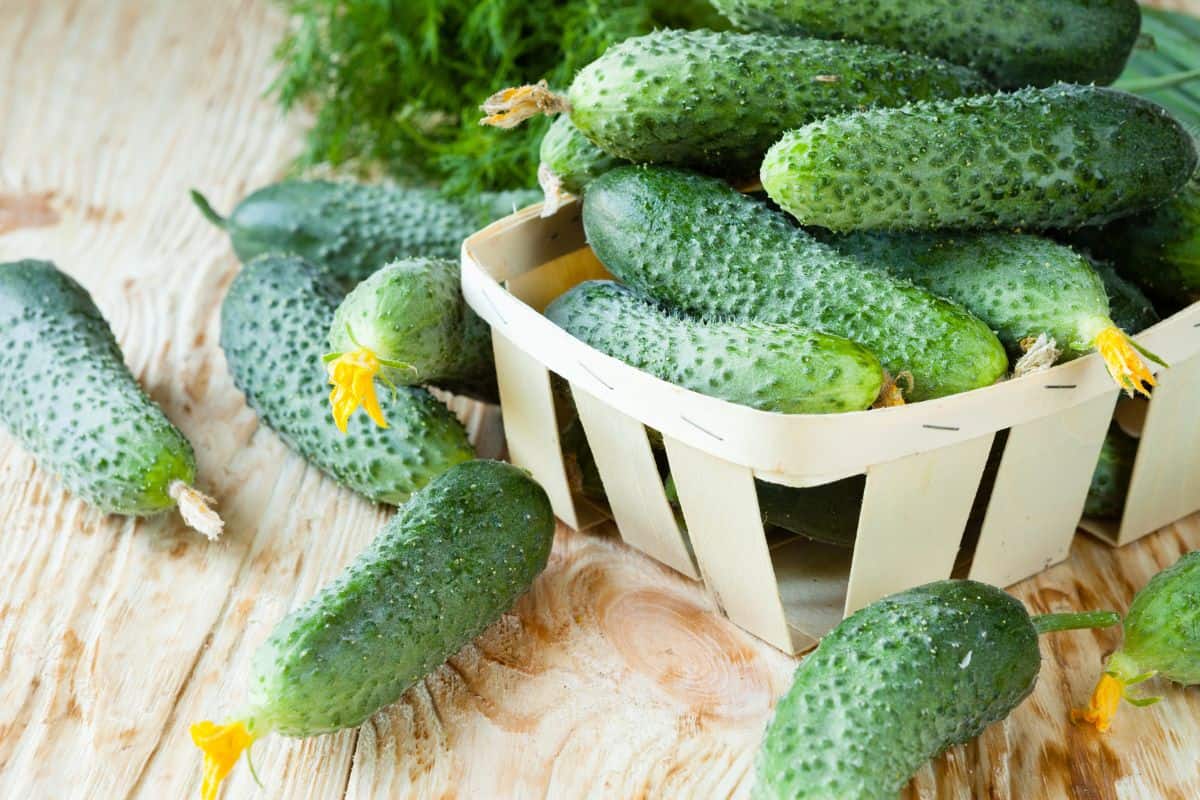
Cucumbers: Short or long, mild or more bitter, fresh local cucumbers in salads, sandwiches, and cold soups are a different thing entirely from the waxed ones in the grocery store.
Summer Fruits
The sweetest, juiciest fruits of the year show up now, and most of them have a short window before they’re gone again until next summer.
Melons: Skip the bland seedless watermelon at the grocery store if there’s a local specialty to find instead. Most regions have one. Eat it for breakfast, lunch, and dinner while it lasts.
Cherries: Sweet cherries are good by the handful or blended into a dark, cold smoothie. Sour cherries are better suited to pie or a sauce for topping ice cream and cake.
Apricots, Peaches & Nectarines: Each stone fruit has its own distinct flavor, but they can be swapped for each other in most recipes. If the fuzz on a peach bothers you, a nectarine does the same job.
Berries: Strawberries kick off the season, with raspberries, blackberries, and blueberries following through the summer. Cultivated or wild, eat them by the handful, freeze a batch, or bake them into something while they’re cheap and plentiful.
Summer Meal Planning
Hot days call for a different approach. The goal isn’t complicated cooking, it’s keeping the kitchen cool and the meals simple enough to actually enjoy the season instead of sweating through it.
Salads: Take the leafy greens of spring and pile on cucumbers, tomatoes, peppers, and fresh herbs, finished with olive oil and a little vinegar. Pasta salad with pesto and whatever vegetables are on hand works just as well, and don’t skip a straight-up fruit salad either.
Cook Outside: Fire up the grill or cook over an open flame and skip the kitchen entirely. Food tastes different cooked outdoors, and it keeps the house from heating up on an already hot day.
Simple & Cooling: Pan-fry or grill meats quickly, then serve them alongside a salad or simply chopped vegetables. Favor foods with high water content this time of year to help everyone stay hydrated through the heat.
Ferment: A simple brine turns the season’s extra produce into a tangy, good-for-you snack, perfect alongside bread, crackers, and cheese for an easy summer plate.
Drinks: Summer is the season to experiment with fresh flavors in a glass. Unlike winter’s hot tea from dried herbs, the warmer months let you harvest straight from the garden for iced tea, shrubs, and lemonade.
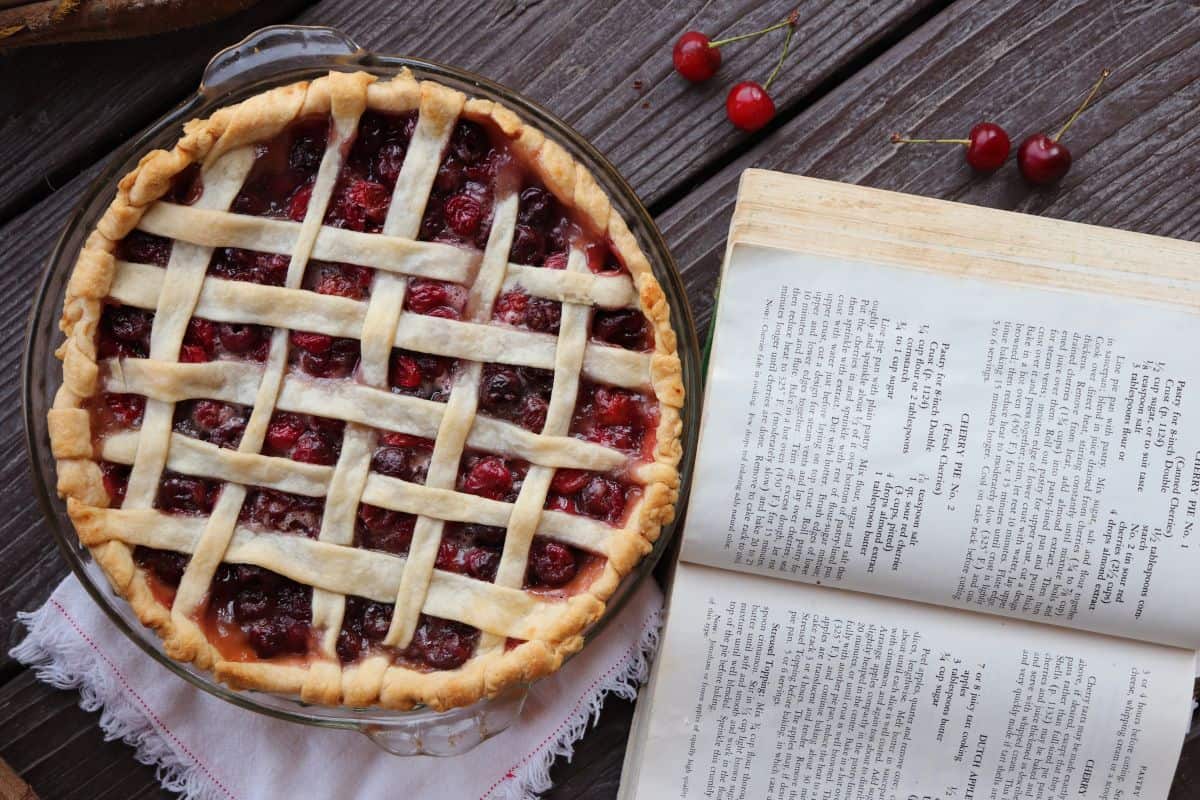
Desserts: Blend fresh fruit with ice for a quick smoothie, top ice cream or sorbet with whatever’s ripest, or save the oven for a cooler evening and bake a pie with the season’s abundance.

Use the Weather Naturally
If there’s a rainy or old day, use that day to bake up the zucchini lasagna or zucchini cookies. Allow the natural rhythm of temperatures to influence your kitchen habits as much as possible. Cook the things that take longer or require the oven in the early morning hours.
Use the slow cooker instead of the oven to prevent the house from getting too hot and cook a roast that can easily be served as cold sandwiches with the leftovers.
Preserve the Season
Save a little of summer for later, as much or as little as fits. Can a batch of raspberry pie filling for an easy holiday dessert. Make and freeze a few zucchini calzones for a quick dinner later in the year. Put up a few jars of peach jam, or skip the canning altogether and just freeze a bag of blueberries for winter oatmeal. Grate extra summer squash now and freeze it for zucchini bread come the colder months.
Just a few things tucked away go a long way toward making both summer and winter feel a little richer.
If you’d like this kind of seasonal pace delivered right to your mailbox, The Seasonal Whisper is a quarterly letter with seasonal recipes, simple living encouragement, and a bit of handmade fun for whatever season is at hand.
Summer is the season of abundance, and that abundance is what makes eating well this time of year so easy. Skip the fancy preparation, let the fresh flavors do the work, and enjoy it while it lasts.
Can’t wait for all the summer goodies, to eat and can. My favorite time of the year.