I may earn a commission if you click on links in this post and make a purchase.
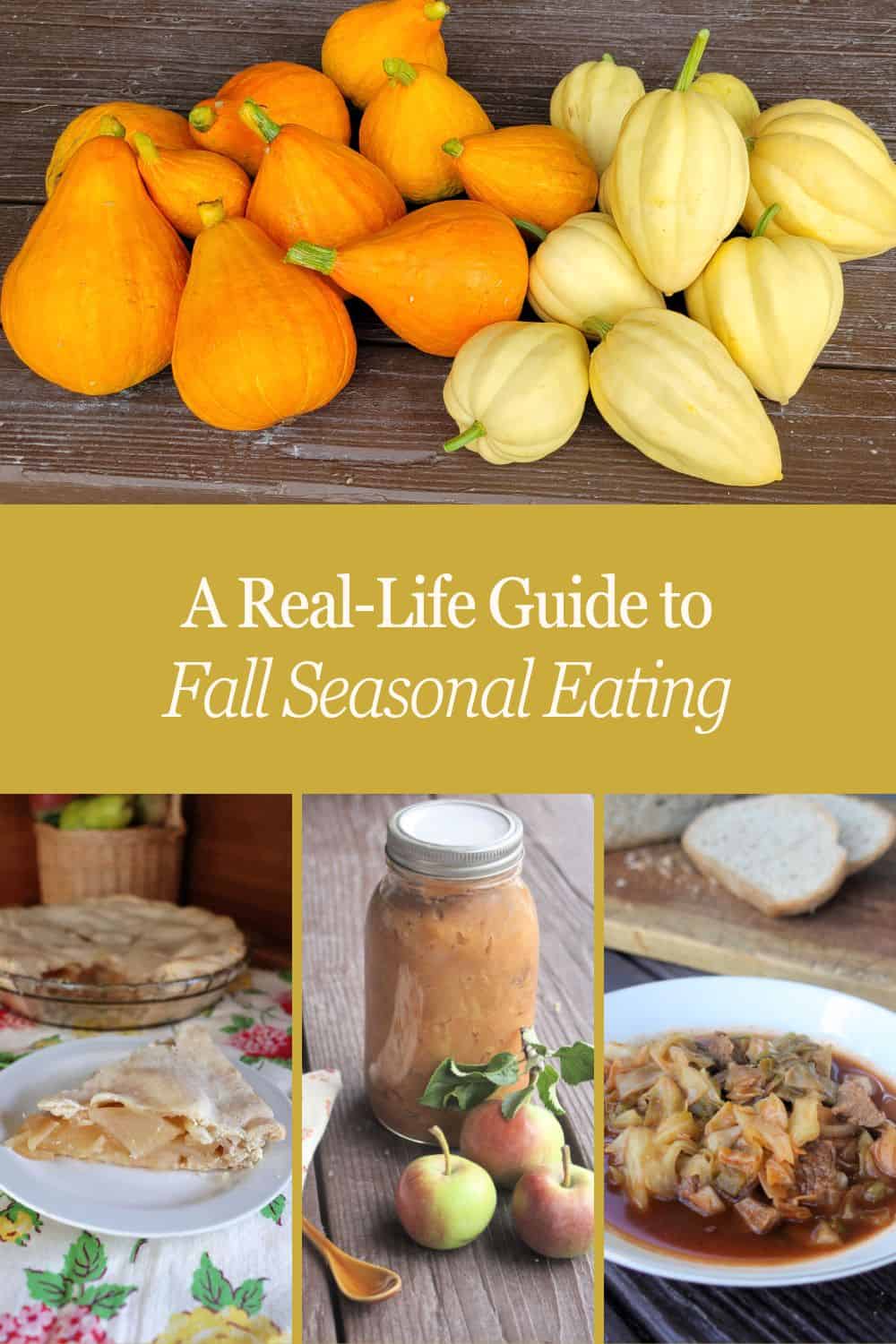
Fall in the kitchen means winter squash. Whether it’s coming in from my own garden or piled up at the farmer’s market and farm stands nearby, once the squash arrives, that’s the real shift from summer eating into fall. The rest of the season follows from there: apples and pears from the orchard, the last beets and rutabagas after the first frost, and a kitchen that turns toward the stove for soups and stews instead of the grill.
Fall Seasonal Vegetables
Winter Squash: This is more than pumpkin and butternut, though both are good choices. Explore the local farmer’s market and farms, find the local specialties, and try them all in sweet and savory dishes. Winter squash is generally interchangeable, so if a recipe calls for butternut and you’ve got buttercup instead, feel free to switch in a 1 to 1 ratio.
Beets: This is a vegetable found throughout spring, summer, and fall. Fall beets, especially after a frost, tend to be sweeter and more fully flavored.
Brussels Sprouts: These tend to be one of those foods people either love or hate. If you’ve only had them frozen or boiled to death, try them again roasted in a hot oven or sautéed with some bacon.
Cabbage: Use the giant, tougher heads to make sauerkraut. Eat the smaller, more tender leaves in cabbage rolls or soup. It’s a frugal choice and one that gets a bad rap as plain food, but it’s comforting in my book, and it stretches a long way.
Rutabagas & Turnips: These humble roots get ignored often and yet they’re full of distinct flavor. Use them much like a potato, roasted or mashed, though their flavor is uniquely their own. Like beets, find them after a frost for a sweeter taste.
Sweet Potatoes: Depending on climate, these may be tough to find locally grown, but they’re a fall vegetable worth seeking out. Bake them for a simple side dish, or make nut-crusted sweet potato balls ahead of time and freeze them for easy side dishes later.
Fall Seasonal Fruits
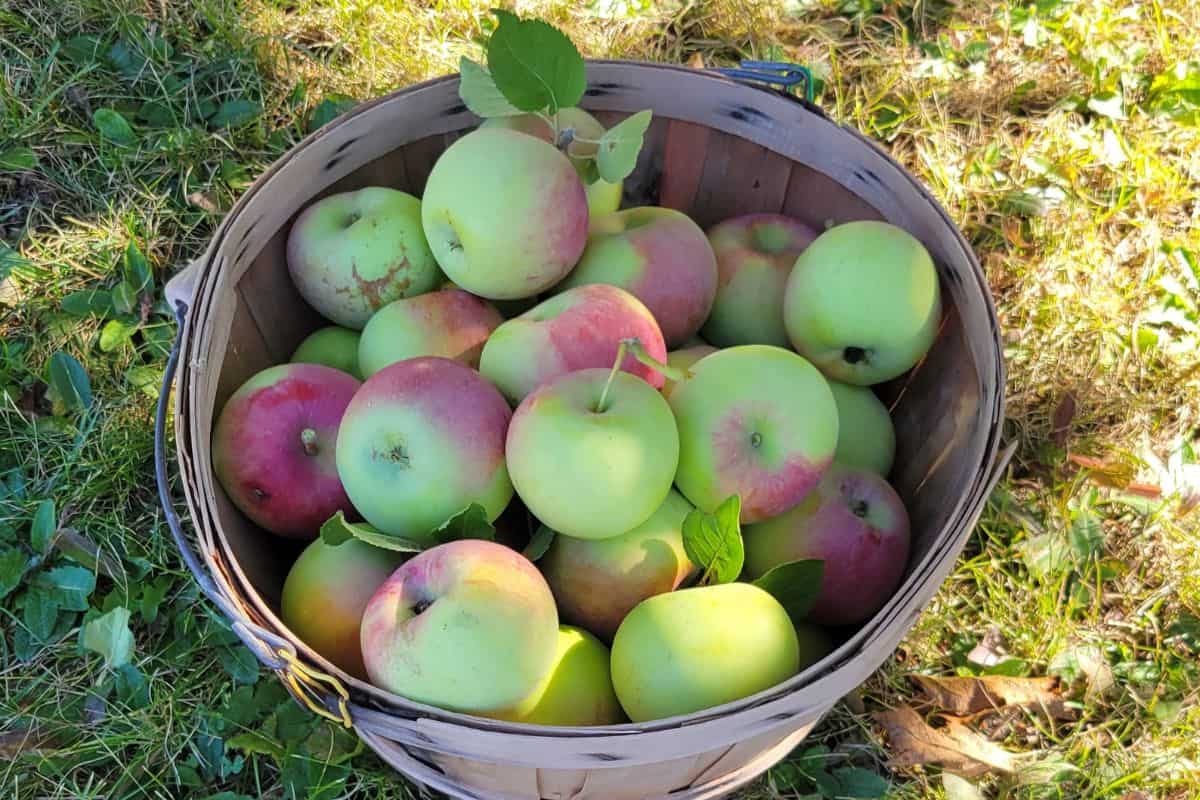
Apples: Skip the standard grocery store fare unless there’s truly no other choice. Go to a local u-pick orchard, buy at the farmer’s market, forage from the park where it’s permitted. There are so many varied types of apples in the world worth exploring, especially the heirloom varieties.
Don’t forget the local apple cider either. It’s pure liquid gold, perfect for drinking and baking in things like cupcakes.
Crabapples: These little nuggets often grow in parks and yards, overlooked in favor of bigger, sweeter apples. Give crabapples a try in sauces, desserts, and preserves, and learn to appreciate their tart side.
Cranberries: These aren’t always locally grown or available to forage, so stock up when possible. They freeze easily for use all winter long. Use them for sauce, but don’t forget things like cranberry cookies for your holiday parties.
Pears: Like apples, skip the grocery store if at all possible and find something local. There are many different types, and they can be enjoyed fresh or preserved in a number of ways.
Fall Seasonal Herbs
Dandelion Roots: Wait until after the first frost and harvest some dandelion roots. Use these roots for a coffee-like drink and for healing medicine too.
Horseradish: These pungent roots are delicious alongside many meat dishes with just a little preparation.
Rose Hips: Technically, these are the fruits of roses. These tart little nibs are full of tasty and medicinal properties. Harvest them from the garden or forage them from parks for delicious jelly, healing tea, and more.
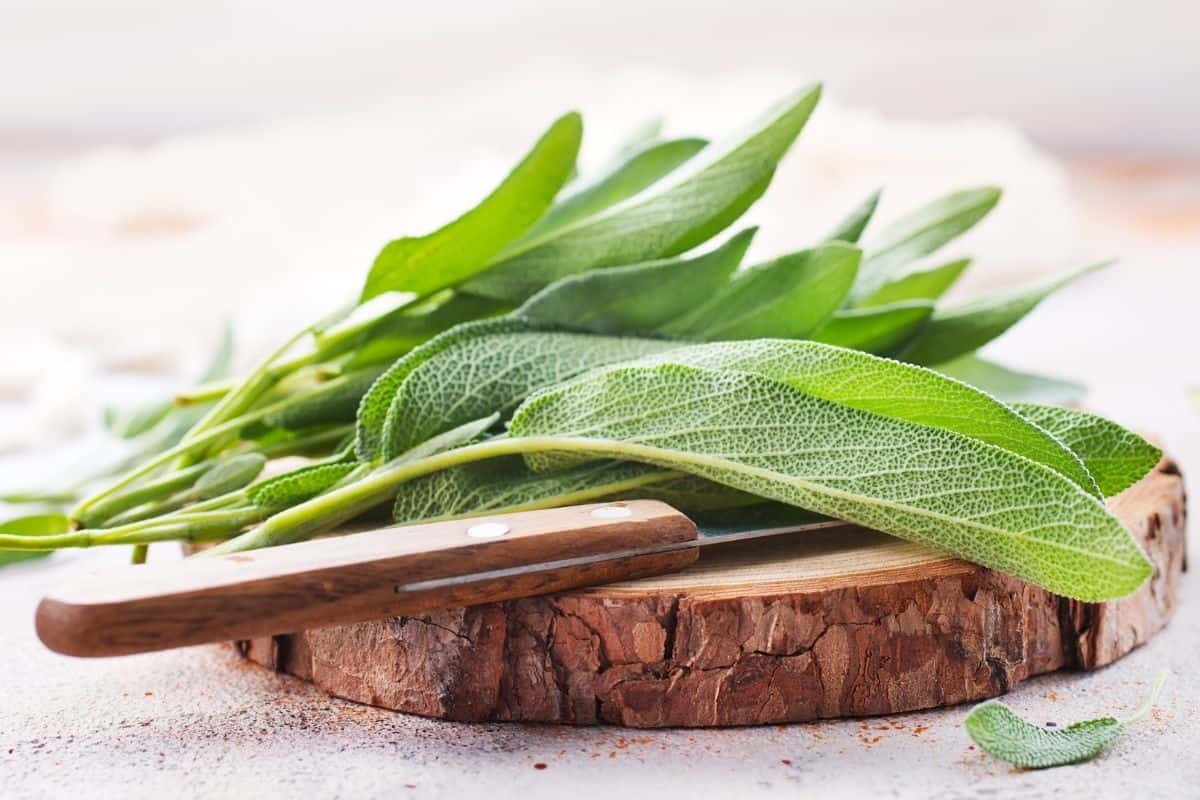
Sage: The fuzzy leaves of sage are big and beautiful in the fall. Full of flavor for everything from breakfast sausage to winter squash dishes, be sure to gather some to use fresh and dry for later.
Other Fall Foods
Wild Game: Fall is often the time for hunting in many locations. Use this as a way to get outside and fill the freezer in a frugal and adventurous manner. Don’t hunt? Look for ways to trade and/or buy in your local area.
Nuts: Many nuts are fresh and ripe in the fall. Look beyond typical bags of almonds and pecans in the local baking aisle and find local options for foraging and purchase.
Fall Meal Planning
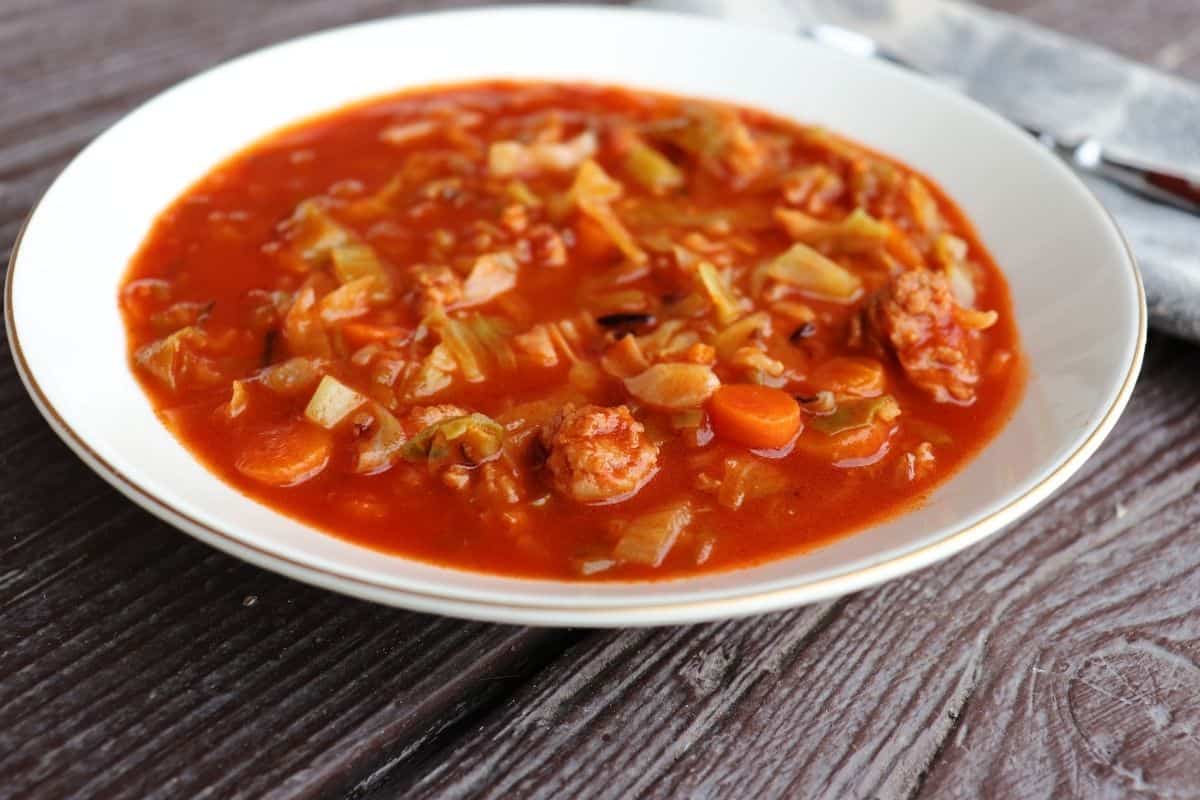
Once the squash is in and the evenings start cooling off in earnest, the kitchen turns toward soups and stews. They’re the easiest way to use up the last bits of the summer garden alongside the first of the fall harvest, and they stretch both the produce and the budget further than almost anything else I make. A big pot on the stove, whatever vegetables and meat or beans are on hand, that’s fall eating at its most practical.
A few of the soups and stews that make regular appearances this time of year: cabbage roll soup, Hubbard squash sausage soup, and an old-fashioned beef and cabbage stew when something heartier is needed.
Roasting is the other go-to. Dice or slice root vegetables, toss them with a little olive oil, salt, and pepper, and roast at 425°F until the edges brown and the centers turn tender. Beets, rutabagas, and winter squash all roast well alongside a whole chicken or other meats cooking at the same time.
Pies, sweet and savory, round out the season. Pot pies full of fall vegetables and local meat for dinner, apples and pears baked into pies for dessert. Either way, a hot oven on a chilly day is its own reward.
Take advantage of fall seasonal eating and all it has to offer with these simple, frugal ideas. Make them your own, using whatever is actually in season where you live, which may or may not match this list exactly.
If the shift toward soup pots and slower evenings is your favorite part of the season, The Seasonal Whisper brings a little more of that seasonal pace to your mailbox each quarter, recipes, simple living encouragement, and seasonal craft ideas included.
I love your website with all ideas and it me energy to go and work in my backyard. I awaiting for my grapes to ripe and my pears etc. Please let us know how to eat for prevention for arthritis etc
Thanks enjoy and keep positing
almas Nathoo
I wish I had great advice about arthritis. We’ve had good luck in our house by avoiding nightshade plants. Some folks suggest skipping wheat. The best is to try avoid certain foods and see what triggers it for you. I wish I had solid advice. Try searching the AIP (auto-immune protocol) for some advice.
Every fall I forage for rosehips and elderberry and make a seasonal pancake syrup. I keep checking the local orchards for the pears to make pear sauce, almond and pear cakes and other family seasonal favorites other than pumpkin!
Mmm, yes!~ Roasted veggies and meat pies! Love this post; it makes fall more fun to eat seasonally!
I love this list! One thing I certainly don’t cook enough of in the fall is cabbage. Thanks for the inspiration to add that to next week’s meal plan! Happy Fall!
Lovely and useful advice, as always! Your basket of fall veggies is so colorful, I thought it was a basket of Easter eggs at first glance!